




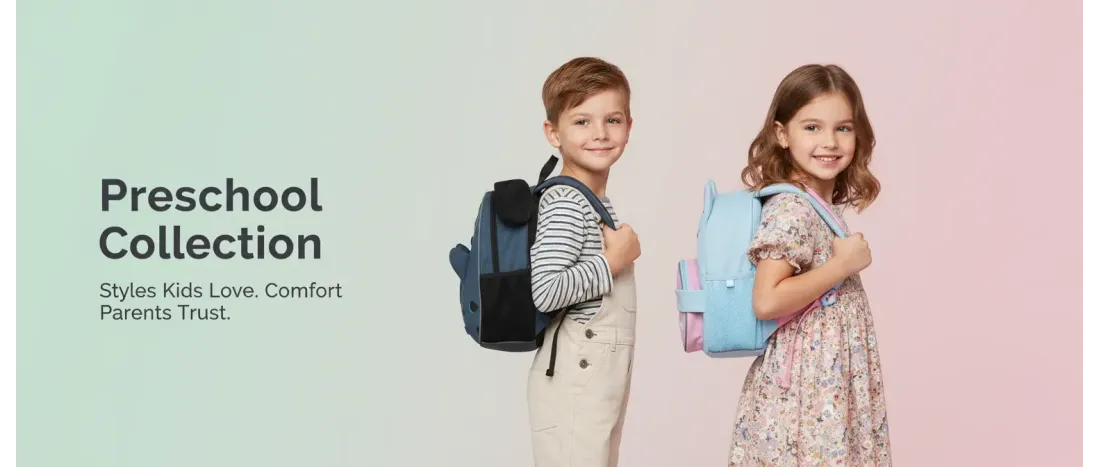
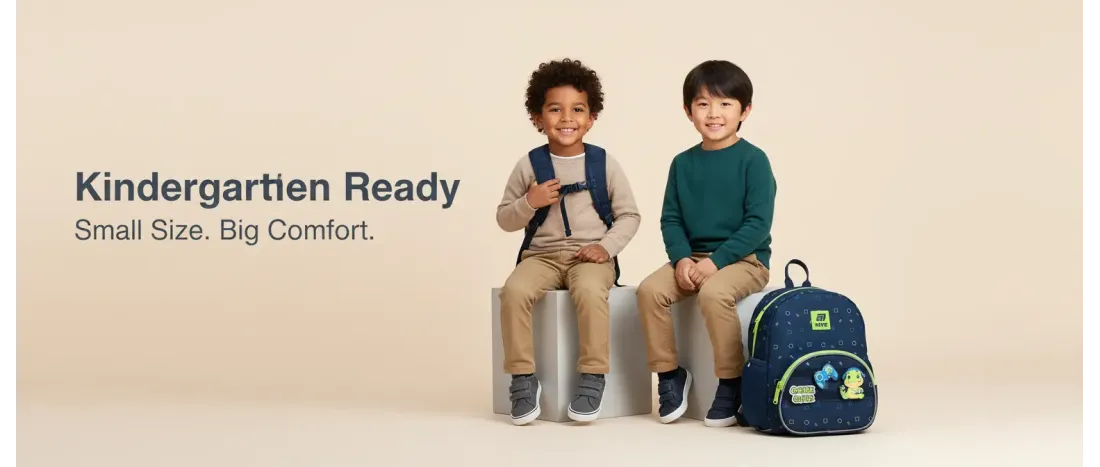
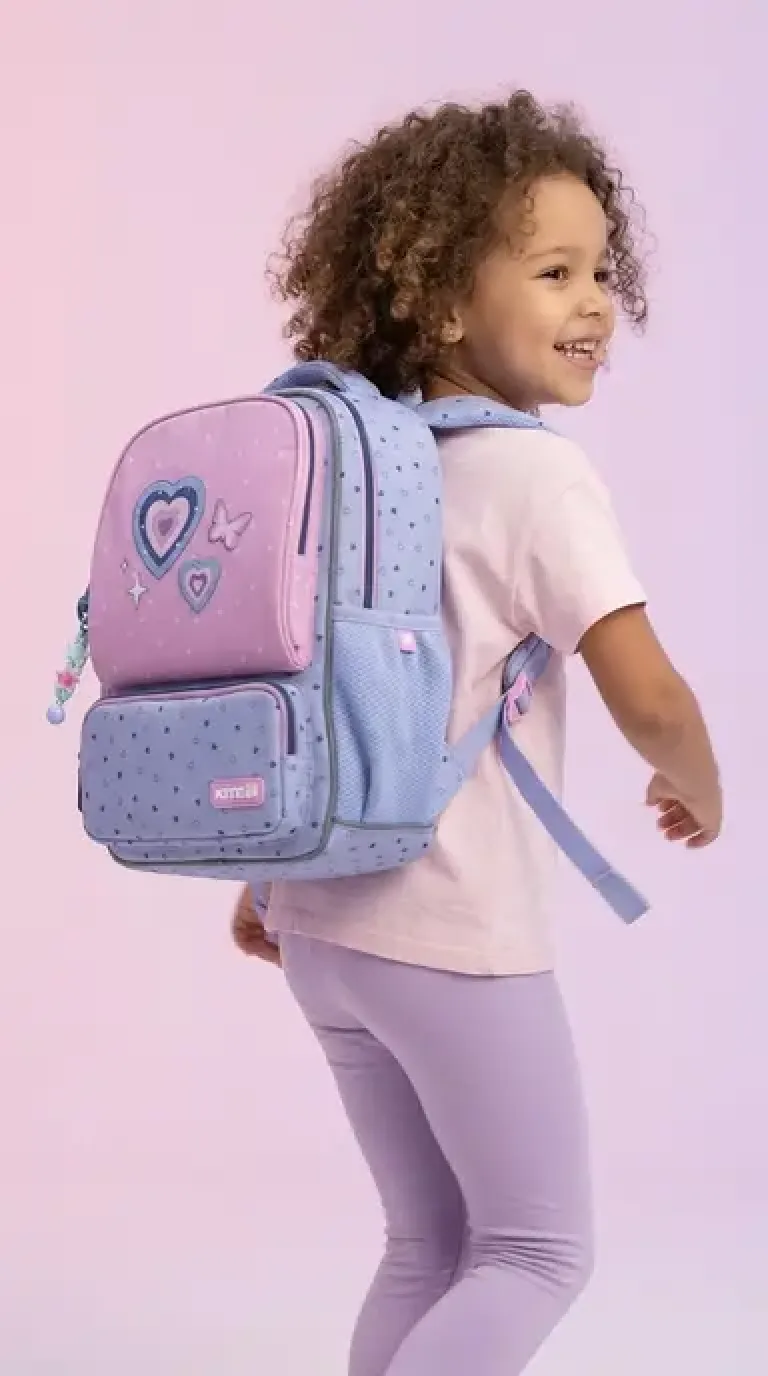
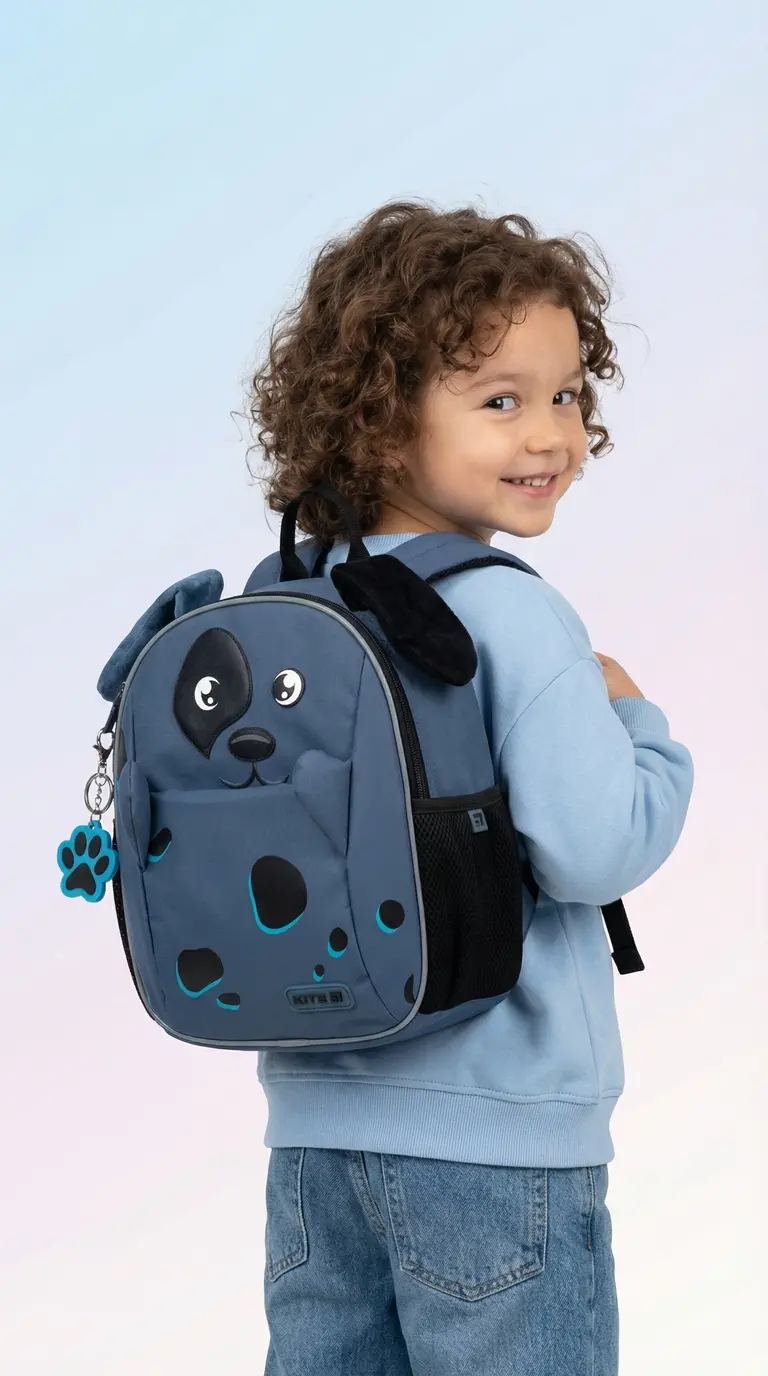
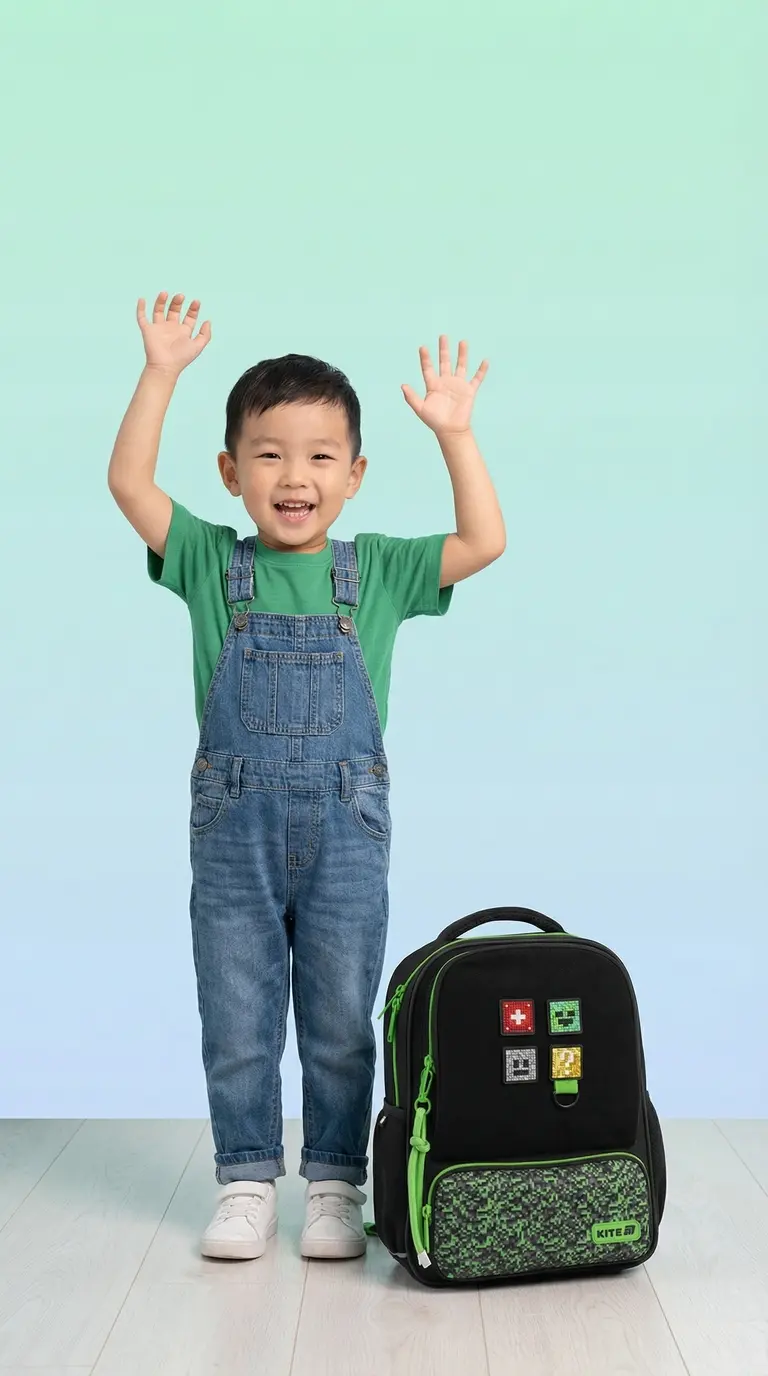
Discover preschool backpacks in Canada designed for daycare, Pre-K, Junior Kindergarten (JK), and Senior Kindergarten (SK) students ages 3–5. These kindergarten backpacks and preschool bookbags from Kite and GoPack are built specifically for small frames — not scaled-down adult bags — with lightweight construction, simple organization, and the ergonomic features that matter most at this age.
Starting daycare or kindergarten is one of the biggest transitions in a young child's life. The right daycare backpack or preschool bag does more than carry a lunch box — it builds independence, supports developing posture, and makes the morning routine easier for both child and parent. At this stage, fit and weight matter far more than capacity.
This category is part of our broader kids backpacks collection. When your child is ready for Grade 1, see our elementary school backpacks.
Quick guides
Backpack size by grade (Canada) · Best ergonomic school backpacks · Safe backpack weight for kids
Do Preschoolers Need a Backpack?
Yes — but a very specific kind. A preschool backpack for a 3 to 5-year-old is not about carrying textbooks. It is about carrying daily essentials: a change of clothes, a small lunch kit, a water bottle, indoor shoes, and perhaps a comfort toy for daycare transitions. Many Canadian daycare centres and kindergarten programs also require each child to have their own bag to keep belongings hygienic and separate.
Beyond practicality, a pre-K backpack or kindergarten bookbag builds independence. When a child can open their own bag, retrieve their snack, and pack up at the end of the day without help, that is a real developmental win — one that predictable morning routines reinforce. The key is choosing a bag that a 3 or 4-year-old can actually manage: easy zippers, light weight, and a stable fit.
- Bag slides off shoulders while walking — straps too wide for the child's frame
- Child leans forward to balance — bag is too large or packed too heavily
- Bottom of bag hangs below the waist or hits the back of the legs
- Strap marks or redness on neck and shoulders after removal
- Child avoids carrying it independently — too awkward or uncomfortable to manage
Why Fit Matters at Ages 3–5
Toddlers and preschoolers have narrow, sloping shoulders — very different from older children. A generic soft-shell bag with no structure slips constantly, forcing the child to hunch their shoulders upward or hold the straps with their hands to keep the bag on. Over a full school day, that compensation creates muscle fatigue and frustration.
The most important single feature for this age group is the chest strap. A sternum clip locks the shoulder straps in place across the chest, keeping the bag stable during walking, running, and climbing — and critically, it prevents straps from sliding off puffy winter coats and snowsuits during Canadian school mornings.
- Chest strap / sternum clip: the single most important feature for ages 3–5. Locks the bag in place on narrow, sloping shoulders regardless of outerwear.
- Wide padded S-shaped shoulder straps: distribute the load across the shoulder rather than concentrating pressure on one point. Prevents the strap-dig that leaves red marks.
- Structured back panel: keeps the bag's shape so weight stays distributed rather than sinking to the bottom and pulling backward.
- Lightweight construction: under 500g empty. Following the Canadian Paediatric Society and American Academy of Pediatrics guidelines, a child's loaded bag should not exceed 10–15% of body weight — for a 4-year-old, that is often under 2 kg total. An empty bag under 500g leaves maximum room for actual contents.
- Child-friendly zippers: oversized pulls that small fingers can open and close independently, directly supporting fine motor skill development at this stage.
- Water-resistant DWR coating: preschoolers drop bags in puddles, slush, and wet grass. DWR-coated fabric repels moisture and wipes clean easily — essential for Canadian fall and winter conditions.
- Reflective elements: for dark November and January school mornings when children walk to daycare or the bus stop before sunrise.
Kite vs Generic Preschool Backpacks
Most budget preschool bags from big-box retailers are unstructured soft pouches. When filled, everything drops to the bottom. The bag hangs low, pulls backward, and the child leans forward to compensate — exactly the posture habits that are hardest to undo once established.
- No chest strap — slides off constantly
- Unstructured — load sinks to bottom
- Pulls child backward or sideways
- Straps too narrow — digs into shoulders
- Cheap zipper — fails within months
- Chest strap included — stays in place
- Structured panel — weight sits correctly
- Proportioned for under-115cm frames
- Wide padded straps — no pressure points
- Durable hardware — built for full school years
Preschool Backpack Size Guide: Daycare to Kindergarten
Capacity at this age is less about litres and more about fit. An oversized bag will always get overpacked. A bag that is too long sits below the waist and shifts the child's centre of gravity downward. The goal is the smallest bag that holds the daily routine — nothing more.
| Stage | Age | Capacity | What it holds |
|---|---|---|---|
| Daycare / Pre-K | Ages 3–4 | 5–7L | Spare clothes, snack, water bottle, comfort toy |
| JK / SK Kindergarten | Ages 4–5 | 7–10L | Lunch kit, water bottle, indoor shoes, small folder |
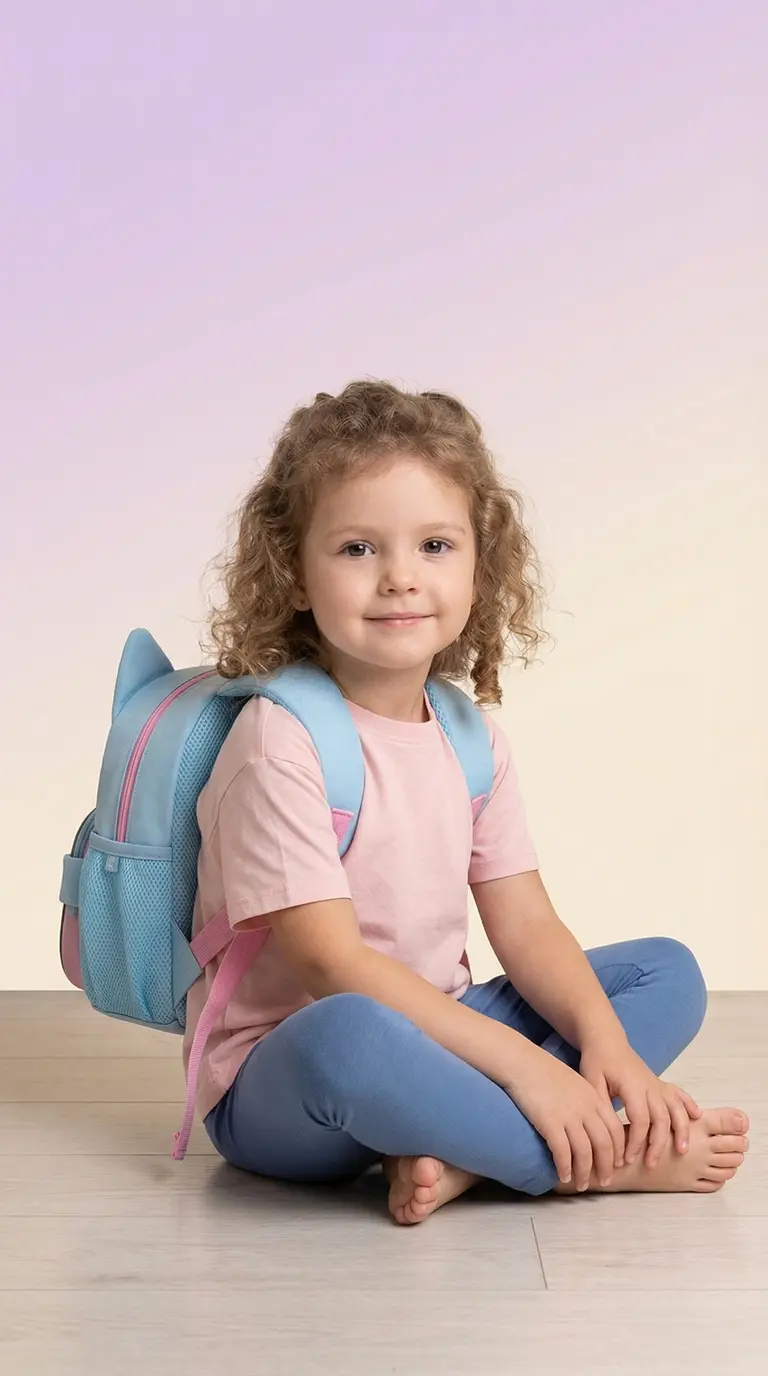
- Top of bag: no higher than the child's shoulders
- Bottom of bag: at waist level — not lower
- Bag sits flush against the back — no gap at the upper panel
- Chest strap clips comfortably across mid-chest — not at collar or stomach
- Child can put it on and take it off without help
Designs Kids Actually Want to Wear
Parents care about ergonomics. Children care about how the bag looks. When a child loves their backpack, getting out the door in the morning becomes easier — and for children going through the emotional transition of starting daycare or kindergarten, a bag they are excited about can make a genuine difference.
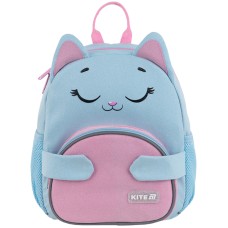
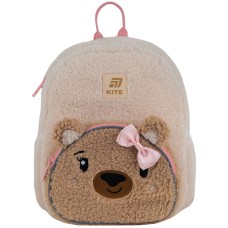
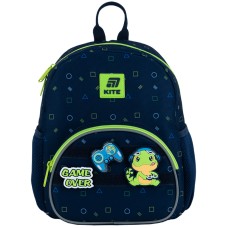
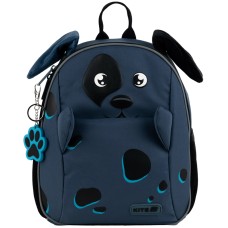
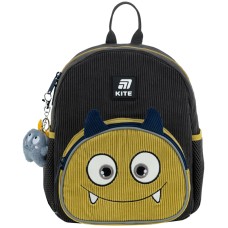
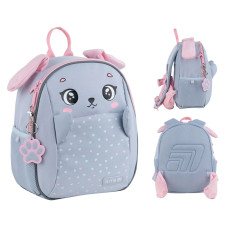
Our preschool collection includes designs that children respond to: a kids cat backpack for animal lovers, a bunny backpack for kids with soft texture detail, dinosaur and vehicle prints for children who want something bold, and space-themed designs for early astronomers. These are not cheap iron-on transfers — they are woven into the fabric design and hold up through a full Canadian school year of daily use.
Built for Canadian School Conditions
A preschool backpack in Canada gets set on wet pavement outside schools, dragged through November slush, and dropped in snowbanks. Generic fabric bags absorb moisture immediately, soaking spare clothes and ruining drawings. Kite and GoPack preschool models use DWR water-repellent coatings that repel rain and light snow, and wipe clean in seconds with a damp cloth — no machine washing required.
Reflective safety strips are integrated into the design on front panels and shoulder straps — visible to drivers during dark fall and winter mornings when children walk to daycare or wait at bus stops before sunrise. Trusted by families in Toronto, Vancouver, Calgary, Montreal, and across Canada, our range of preschool backpacks in Canada, kindergarten backpacks in Canada, and toddler backpacks covers every stage — from first daycare drop-off through JK and SK. Whether you are searching for a backpack for preschool or a kindergarten bookbag with room for a full lunch kit, prices are in CAD with free shipping on orders over $75.
How to Pack a Preschool Backpack
Even at 5L, packing order affects balance. Heavier items — like a lunch kit — should sit against the back panel. Softer items like spare clothes go in the centre. The water bottle belongs in the side pocket, never inside the main compartment where it shifts weight unpredictably. Front pockets hold small accessories.
For very young children, keeping the same packing system every day helps them learn where things belong — which supports the independence and routine-building that daycare and early childhood educators consistently emphasize.
Complete Your Child's School Set
- Insulated Lunch Boxes — sized to fit inside the main compartment of 7–10L models
- Kids water bottles — sized for the side bottle pockets
- Pencil cases — for JK/SK students starting to carry school supplies
Free shipping across Canada on orders over $75 CAD · Toronto local pickup available at checkout · Hassle-free returns and exchanges
Explore next stages: Elementary School Backpacks · High School Backpacks
Preschool & Kindergarten Backpack FAQ
Do preschoolers really need a backpack?
Yes. A preschool backpack helps children carry their own daily essentials — spare clothes, snack, water bottle — and builds the independence and routine that daycare and early childhood programs actively encourage. Many Canadian daycare centres also require a personal bag for each child for hygiene reasons.
What size backpack is best for preschool?
For daycare and Pre-K (ages 3–4), 5–7L is ideal. For JK/SK kindergarten (ages 4–5), 7–10L accommodates a lunch kit, water bottle, and indoor shoes without becoming too heavy or bulky. The bag should never hang below the waist or extend above the shoulders.
What is the difference between a preschool and a kindergarten backpack?
A preschool bookbag (5–7L) is highly compact and carries only light daily essentials. A kindergarten backpack (7–10L) is slightly larger to accommodate a standard lunch kit, indoor shoes, and a small folder — the added items that JK and SK programs typically require. Both should have a chest strap and weigh under 500g empty.
Why is a chest strap important for toddlers?
Toddlers and preschoolers have narrow, sloping shoulders. Without a chest strap, shoulder straps slide off constantly — especially over puffy Canadian winter coats and snowsuits. A sternum clip locks the straps in place so the bag stays stable during walking, running, and playground activity without the child needing to hold it on.
How heavy should a preschool backpack be?
The Canadian Paediatric Society and the American Academy of Pediatrics both recommend that a child's loaded backpack should not exceed 10–15% of their body weight. For a typical 4-year-old weighing around 16–18 kg, that is a maximum of 1.6–2.7 kg loaded. Choose an empty bag under 500g to leave as much of that budget as possible for contents.
What is the best preschool backpack in Canada?
The best preschool backpack in Canada for ages 3–5 combines a chest strap, wide padded straps, a structured back panel, DWR water-resistant coating, and child-friendly zippers — all in a compact frame under 10L. Kite models designed for this age group meet all of these criteria and are proportioned specifically for children under 115 cm. They ship free across Canada on orders over $75.
Are these backpacks water-resistant for Canadian weather?
Yes. Kite and GoPack preschool models use DWR water-repellent fabric that handles rain, slush, and light snow — the everyday conditions of a Canadian school year from October to April. They are water-resistant rather than fully waterproof, which is sufficient for typical daily use. All models include reflective safety elements for dark winter mornings.
Do kids cat backpacks and bunny backpacks fit young children properly?
Yes. Our kids cat backpack and bunny backpack for kids designs are built on the same proportioned frames as the rest of the preschool collection — under 10L, under 500g empty, with chest straps and padded S-shaped straps. The playful designs are woven into the fabric and hold up through a full school year of daily use.